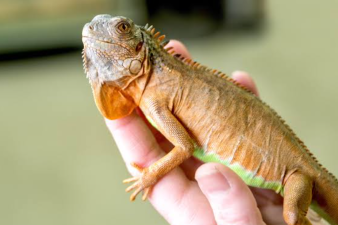
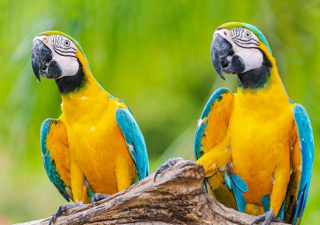
When it comes to pets, most people first think of cats, dogs, rabbits, or goldfish. However, due to differences in cultural traditions, living environments, and legal regulations, the variety of animals kept as pets is far richer than imagined. From gliding mammals to birds with remarkable learning abilities, and even uniquely shaped reptiles, different countries have their own "alternative pet culture." For many animal lovers, these special pets are not only a source of novelty but also allow them to rediscover the rich and diverse relationship between humans and animals.
In recent years, with the development of social media, more and more unusual pets have come into the public eye. However, it's important to note that not all animals are suitable as family pets. Some species require special living environments, professional care, and may even be protected or restricted by local laws. Therefore, while learning about these animals, it's crucial to respect wildlife protection regulations and avoid blindly following trends. Let's take a look at some amazing pets from around the world.
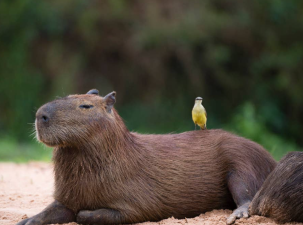
Capybara – South America's "Zen Star"
In recent years, capybaras have become one of the most popular alternative pets globally.
Native to South America, capybaras are the world's largest rodents, known for their docile nature and strong social skills. They are gregarious and love to spend time in water, thus requiring ample space and a stable water supply.
While images of capybaras peacefully coexisting with cats, dogs, and ducks are frequently seen online, they are actually not suitable for ordinary family pets.
Hedgehogs – Increasingly Popular Small Pets
African dwarf hedgehogs have become increasingly popular in recent years in Europe, America, and parts of Asia.
They are small in size, mostly sleeping during the day and more active at night. When frightened, they curl into a spiky ball for protection.
However, hedgehogs are sensitive to temperature and require a suitable living environment, so thorough preparation is necessary before keeping one.
Sugar Gliders – Gliding Elves
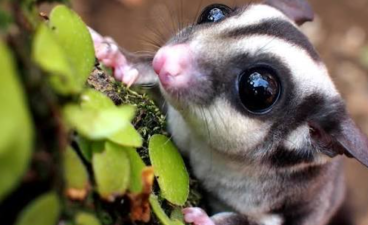
Sugar gliders are native to Australia and New Guinea.
They possess a gliding membrane that allows them to glide short distances between trees, making them a favorite among many.
Sugar gliders are social animals that require a lot of companionship and interaction. Living alone for extended periods can cause them psychological stress, making them unsuitable for people who lack the time to care for them.
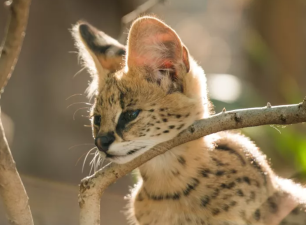
Meerkats – From Animation to Reality
Many people know meerkats from movies and documentaries.
These small mammals, living on the African savanna, are highly social, preferring to stand and observe their surroundings, making them excellent "sentinels."
While some countries allow captive breeding, meerkats retain a strong wild instinct and require specialized knowledge and ample space to roam.
Crows – Birds with Amazing Intelligence
Crows are considered one of the most intelligent birds in the world.
Research has found that they can use tools, recognize faces, solve complex problems, and even remember those who have helped them.
However, in many countries, crows are protected wild animals and cannot be privately kept. Therefore, most of the time, people can only learn about these amazing animals through observation.
Pythons – Alternative Reptile Pets
In recent years, ball pythons, corn snakes, and other snakes have gradually become popular choices for reptile enthusiasts.
Compared to large pythons, some small, non-venomous snakes are more docile and easier to keep in captivity.
However, snakes have high requirements for temperature, humidity, and diet, making them unsuitable as first-time pets.
Foxes – Cute to look at, but not easy to care for
Foxes have beautiful fur and agile personalities, attracting many people.
In reality, most foxes still retain strong wild habits; they are active, curious, and easily emit distinctive scents.
Therefore, even in areas where keeping them is permitted, foxes require a rich living environment and professional care.
Giant Tortoises – Companions for Decades
Some large tortoises can live for decades or even over a hundred years.
For many families, keeping a tortoise represents a long-term responsibility. Although they move slowly, they need ample space, sunlight, and a proper diet.
In many countries, some tortoise species are protected animals; it is essential to confirm their legality before purchasing.
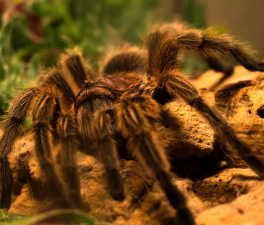
Tarantulas – Not as scary as imagined
Tarantulas are also a popular alternative pet for those who enjoy insects and arthropods.
Most pet tarantulas have mild venom, prefer quiet lives, and don't require much space.
However, due to significant differences in habits among different species, it's essential to fully understand their characteristics before keeping one.
Fennec Fox – Little Spirits of the Desert
Fennec foxes live in the North African desert and are known for their exceptionally large ears.
They use their ears to help dissipate heat and possess extremely keen hearing.
While undeniably cute, fennec foxes are energetic, love to dig and run, and require a spacious, safe environment, making them unsuitable for most families.
Why are more and more people interested in exotic pets?
In recent years, exotic pets have gained attention primarily for the following reasons:
- The desire for a unique pet-owning experience.
- A growing interest in animal knowledge and natural ecology.
- Social media helps more people learn about different species.
- Some small exotic pets take up less space.
- People are placing greater emphasis on the emotional value of animal companionship.
However, "exotic" doesn't necessarily mean "suitable." Before keeping any animal, it's crucial to fully understand its needs.
What issues should be considered before keeping an exotic pet?
Before deciding to keep a special pet, it's recommended to understand the following:
- Does it comply with local laws and regulations?
- Can you provide a suitable living environment?
- Is there a professional veterinarian available to help?
- Can you take on the responsibility of long-term care?
- Do you understand the species' dietary, behavioral, and health needs?
Only with thorough preparation can you truly ensure the animal's welfare.
Conclusion
The rich and diverse pet cultures around the world show us different ways humans and animals can interact. From gentle capybaras to intelligent crows, from gliding sugar gliders to long-lived tortoises, each animal has its unique habits and charm. However, truly responsible pet ownership is not about pursuing rarity or novelty, but about respecting each animal's nature and providing them with a suitable living environment and long-term, stable care. Whether you keep a cat, dog, or other legally kept pet, understanding, respect, and companionship are always the foundation for a good relationship between humans and pets.